
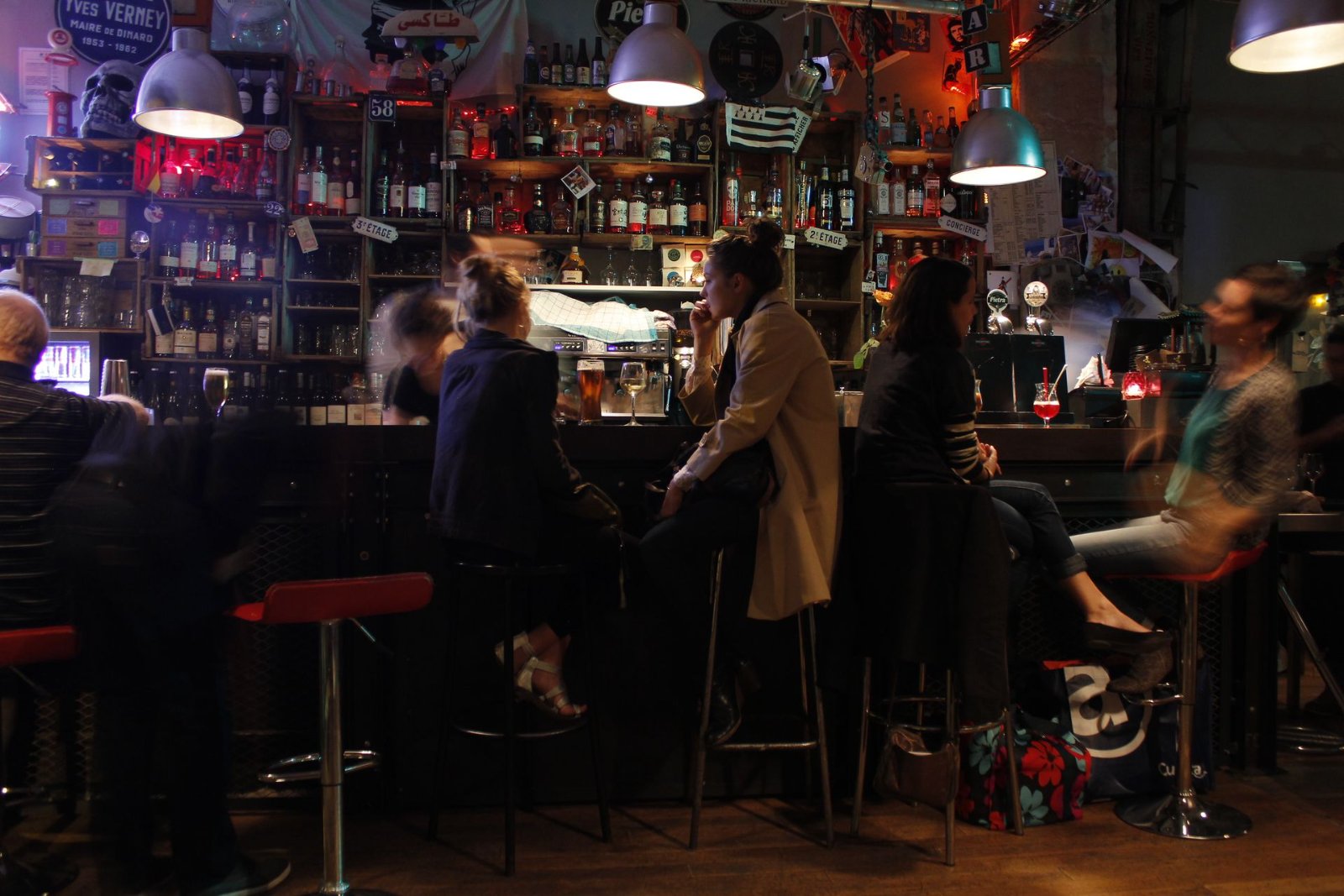
Have you ever noticed that a night out with a group of friends seems to stick in your memory far more vividly than a quiet drink alone? It turns out there’s real science behind this phenomenon. Neuroscience is beginning to unravel the fascinating reasons why social drinking experiences — particularly organized bar crawls — create richer, more durable memories than solo outings. For Phoenix, AZ residents who love exploring the city’s vibrant nightlife scene, this research offers a compelling reason to gather your crew and hit the streets together.
In this article, we’ll explore the neurological mechanisms that make group experiences so memorable, examine what happens in the brain during shared social events, and explain why companies like Barcrawlerz are offering more than just a fun night out — they’re giving participants a neurologically enhanced experience worth remembering for years.
The Science of Memory Formation: A Quick Overview
Before diving into the social dynamics, it helps to understand how memories are formed in the first place. Memory formation is a complex neurological process involving several key brain structures and chemical processes working in concert.
The Hippocampus and Emotional Memory
The hippocampus, a seahorse-shaped structure deep within the brain’s temporal lobe, plays a central role in converting short-term experiences into long-term memories. It works closely with the amygdala — the brain’s emotional processing center — to tag experiences with emotional significance. The stronger the emotional charge of an experience, the more likely it is to be encoded as a lasting memory.
This is why you probably remember your first concert, your wedding day, or that wild birthday party far more clearly than what you had for lunch last Tuesday. Emotion is memory’s best friend, and social experiences are emotion-generating machines.
Neurotransmitters: The Chemical Messengers of Memory
Several neurotransmitters play critical roles in memory formation, including:
Dopamine — released during pleasurable activities, dopamine signals the brain that an experience is worth remembering. It essentially tells the hippocampus, “This is important — save it.”
Serotonin — associated with mood regulation and social bonding, serotonin helps create the warm, positive emotional backdrop against which memories are formed.
Oxytocin — often called the “bonding hormone,” oxytocin surges during positive social interactions and strengthens the emotional encoding of shared experiences.
Norepinephrine — this neurotransmitter heightens alertness and attention, making the brain more receptive to encoding new information during exciting or novel situations.
When you’re out on a bar crawl with a group of friends in Phoenix’s downtown entertainment district, all four of these chemicals are firing simultaneously — creating a neurochemical cocktail that’s practically tailor-made for memory formation.
Why Group Experiences Create Stronger Memories Than Solo Ones
Now that we understand the basics of memory formation, let’s explore why group experiences — like an organized bar crawl — are so much more neurologically potent than solo outings.
The Social Brain Hypothesis
Humans are fundamentally social creatures. Evolutionary anthropologist Robin Dunbar famously proposed the “Social Brain Hypothesis,” which suggests that the human neocortex evolved primarily to manage the complexity of our social relationships. In other words, our brains are literally wired to process and remember social experiences more effectively than solitary ones.
Research published in journals like Nature Human Behaviour and Social Cognitive and Affective Neuroscience has consistently shown that the brain’s default mode network — a set of interconnected regions active during social thinking — is far more engaged during group interactions than during solo activities. This heightened engagement translates directly into stronger memory encoding.
Shared Attention Amplifies Memory Encoding
One of the most powerful memory-boosting mechanisms in group settings is what psychologists call “shared attention.” When a group of people simultaneously focuses on the same thing — a hilarious bartender, an unexpected street performer on Roosevelt Row, or a particularly inventive cocktail — each person’s brain receives a signal that this experience is socially significant and therefore worth remembering.
“Shared attention creates a kind of neurological consensus that an experience matters. When multiple people are excited about the same thing at the same time, the brain treats this as strong evidence that the experience deserves a prominent place in long-term memory.” — Dr. Thalia Wheatley, Dartmouth College
This is why that moment when your entire group simultaneously reacts to something unexpected on a bar crawl tends to become one of the most vivid memories of the night. Your brain isn’t just recording the event — it’s recording the shared reaction, which amplifies the emotional signal many times over.
Storytelling and Memory Consolidation
Group settings naturally generate storytelling. As you move from venue to venue on a Phoenix bar crawl, your group inevitably recounts what just happened at the last stop — “Did you see the look on that bartender’s face?” or “I can’t believe Sarah tried that ghost pepper cocktail!” This spontaneous retelling is not just entertaining — it’s neurologically significant.
Every time a memory is recalled and retold, the brain goes through a process called “memory reconsolidation.” During reconsolidation, the memory is temporarily destabilized and then re-encoded, often becoming stronger and more detailed in the process. Group storytelling essentially forces memories through multiple rounds of reconsolidation in a single evening, dramatically increasing their long-term durability.
The Role of Laughter in Memory Enhancement
It’s no coincidence that our funniest memories tend to be our most vivid ones. Laughter triggers a cascade of neurological events that directly enhance memory formation. When you laugh, your brain releases endorphins and dopamine, reduces cortisol (the stress hormone), and increases blood flow to the prefrontal cortex — the region responsible for higher-order thinking and memory organization.
Group settings generate far more laughter than solo experiences. A 2017 study by Robert Provine at the University of Maryland found that people are 30 times more likely to laugh in social situations than when alone. For Phoenix bar crawlers moving through venues like those organized by Barcrawlerz, this means a virtually continuous neurological boost to memory formation throughout the entire evening.
How Alcohol Fits Into the Memory Equation
It would be incomplete to discuss bar crawls and memory without addressing the role of alcohol itself. The relationship between alcohol and memory is more nuanced than most people realize.
Moderate Alcohol and Social Memory Enhancement
While excessive alcohol consumption is well-known to impair memory formation (and in extreme cases, cause blackouts), moderate alcohol consumption in social settings may actually enhance certain aspects of social memory. Research published in the journal Scientific Reports found that moderate alcohol consumption can lower social inhibitions in ways that increase genuine emotional engagement — the very fuel that powers strong memory formation.
Furthermore, a 2019 study from the University of Exeter found that people who consumed alcohol after learning new information actually retained that information better than non-drinkers, theorizing that alcohol may suppress competing memory formation, allowing the brain to consolidate earlier experiences more effectively.
The Social Context Matters More Than the Alcohol
Here’s the crucial insight: neuroscientists largely agree that it’s the social context of drinking, rather than the alcohol itself, that drives the memory enhancement seen in group drinking situations. The alcohol may lower inhibitions and increase emotional openness, but the real memory magic comes from the group dynamics, shared attention, storytelling, and laughter described above.
This is actually good news for everyone, including designated drivers and non-drinkers who join bar crawls for the social experience. The neurological benefits of group memory formation are available to everyone in the group, regardless of what’s in their glass.
Phoenix’s Unique Nightlife Landscape and Its Effect on Memory Formation
Location matters more than you might think when it comes to memory formation. Novel environments are particularly effective at stimulating memory encoding, and Phoenix, AZ offers a uniquely diverse and stimulating nightlife landscape.
Novelty as a Memory Catalyst
The brain’s hippocampus has a well-documented love affair with novelty. When you encounter something new — a neighborhood you’ve never explored, a bar with an unusual theme, a cocktail you’ve never tasted — the hippocampus releases a burst of dopamine that essentially flags the experience as “new and important.” This novelty response is one of the most reliable triggers for strong memory formation.
Phoenix’s nightlife scene is extraordinarily varied, offering everything from the historic charm of downtown’s Heritage Square to the trendy bars of the Roosevelt Row Arts District, the upscale lounges of Scottsdale Road, and the eclectic venues of the Melrose District. Moving through multiple distinct environments in a single evening — as you do on a bar crawl — maximizes the brain’s novelty response and creates a rich tapestry of distinct, memorable experiences.
Phoenix’s Weather and Outdoor Spaces Enhance the Experience
Phoenix’s famously warm evenings (even during the cooler months) mean that many bars feature expansive outdoor patios and rooftop spaces. Outdoor environments have been shown to reduce cortisol levels and increase serotonin production — both of which create a more favorable neurological environment for memory formation. Walking between venues under the Phoenix stars, feeling the warm desert air, and taking in the city’s distinctive skyline all add sensory richness that the brain eagerly encodes into long-term memory.
The Barcrawlerz Experience: Engineered for Memorable Nights
Understanding the neuroscience of group memory formation helps explain why organized bar crawl experiences are so much more memorable than spontaneous, unstructured nights out. Companies like Barcrawlerz, operating in Phoenix, AZ, have essentially — whether intentionally or intuitively — created experiences that align beautifully with what neuroscience tells us about optimal memory formation conditions.
Structure Reduces Decision Fatigue and Frees the Brain for Experience
One often-overlooked factor in memory formation is cognitive load. When your brain is busy making decisions — “Where should we go next?” “Is this bar too crowded?” “How do we get there?” — it has fewer resources available for encoding the experiences themselves. This is the neurological basis of what psychologists call “decision fatigue.”
An organized bar crawl with Barcrawlerz removes these logistical burdens. The route is planned, the venues are selected, and the logistics are handled. This frees participants’ brains to be fully present in each moment — which is precisely the mental state most conducive to forming strong, vivid memories.
Meeting New People: The Social Memory Multiplier
One of the distinctive features of organized bar crawls is the opportunity to meet new people. Barcrawlerz events in Phoenix regularly bring together groups of strangers who quickly become temporary companions for the evening. From a neuroscience perspective, this is a powerful memory enhancer.
Meeting new people activates the brain’s social cognition networks at maximum intensity. Your brain is simultaneously processing new faces, learning new names, evaluating personality cues, and navigating new social dynamics — all of which require heightened attention and engagement. This elevated neural activity creates ideal conditions for memory encoding.
“The brain is fundamentally a social organ. It lights up most brightly — and encodes most effectively — when we’re navigating the rich complexity of new social relationships.” — Dr. Matthew Lieberman, UCLA Social Cognitive Neuroscience Laboratory
Themed Events and Costume Elements as Memory Anchors
Many Barcrawlerz events in Phoenix feature themes, costumes, or distinctive visual elements. From a neuroscience perspective, these aren’t just fun additions — they’re powerful memory anchors. The brain uses distinctive sensory details as “tags” that help organize and retrieve memories. A night where everyone was dressed as their favorite movie character, or where every bar had a different holiday theme, gives the brain a rich set of distinctive tags that make the memory far easier to retrieve — and far more resistant to fading over time.
The “Reminiscence Bump” and Why Young Adult Group Experiences Are So Lasting
Psychologists have long documented what they call the “reminiscence bump” — the tendency for people to remember a disproportionate number of events from their late teens and twenties more vividly than events from other periods of their lives. Neuroscience offers a clear explanation for this phenomenon: the brain is particularly plastic and receptive to memory encoding during this developmental period, and experiences that are novel, emotionally significant, and socially rich are especially likely to be permanently encoded.
For Phoenix residents in their twenties and thirties, bar crawl experiences organized by companies like Barcrawlerz fall squarely into this category. The combination of novelty, social richness, emotional intensity, and shared experience creates memories that are likely to remain vivid and emotionally resonant for decades.
Practical Tips for Maximizing Memory Formation on Your Next Phoenix Bar Crawl
Armed with this neuroscience knowledge, here are some practical ways to make your next group bar crawl in Phoenix even more memorable.
Be Fully Present: Put Down the Phone
Research consistently shows that attempting to document experiences through smartphones actually reduces the vividness of the memories formed. When you’re focused on capturing a photo, your brain is less engaged with the actual experience. Enjoy the moment directly — your memory will thank you later, and the photos you do take will feel more meaningful because they represent moments of genuine presence rather than compulsive documentation.
Engage All Your Senses
The more sensory channels involved in an experience, the richer and more durable the memory. Pay attention to the taste of your cocktails, the music in each venue, the smell of the warm Phoenix night air, the feel of the crowd around you. Sensory richness creates multi-dimensional memories that are far more resistant to fading than purely visual or auditory ones.
Share Stories as You Go
As we discussed earlier, retelling experiences triggers memory reconsolidation and strengthens encoding. Don’t wait until the end of the night to reflect on what happened — share stories and reactions between each venue. “What was your favorite moment at that last bar?” is more than just conversation — it’s neurological memory reinforcement.
Embrace the Unexpected
Novelty is one of the brain’s most powerful memory triggers. When something unexpected happens on your bar crawl — a surprise performer, an unusual drink, an unexpected connection with a stranger — lean into it rather than sticking rigidly to expectations. These unexpected moments are exactly the kind of experiences that become the most vivid long-term memories.
Choose an Organized Experience Like Barcrawlerz
As we’ve established, reducing decision fatigue and logistical stress frees your brain to be fully present in each experience. Barcrawlerz events in Phoenix are specifically designed to create seamless, engaging group experiences across multiple venues — which means more of your neural resources are available for experiencing and encoding memories rather than managing logistics.
The Social Bonding Bonus: How Bar Crawls Strengthen Relationships
Beyond individual memory formation, group bar crawl experiences have another powerful neurological effect: they strengthen social bonds in ways that have lasting benefits for mental health and wellbeing.
Shared Experiences Create Shared Identity
When a group goes through an experience together — especially one that involves novelty, mild challenge, laughter, and shared emotion — they develop what psychologists call “shared identity.” This is the sense that “we went through something together, and it changed us.” Research shows that shared identity is one of the most powerful predictors of long-term friendship quality and group cohesion.
The oxytocin released during positive social interactions physically reinforces neural pathways associated with social bonding. In plain terms: going on a bar crawl together with friends doesn’t just create memories of the night — it creates a stronger, more resilient friendship that will generate more positive experiences and memories in the future.
Phoenix’s Community Culture and Bar Crawl Social Bonding
Phoenix has a distinctive and growing culture of community events and social experiences. From First Fridays in the arts district to organized sporting watch parties and neighborhood festivals, Phoenicians have a strong tradition of coming together around shared experiences. Bar crawls organized by Barcrawlerz fit naturally into this cultural landscape, offering a structured way to deepen existing friendships and forge new ones across the city’s diverse social tapestry.
Conclusion: The Science Is Clear — Crawl Together, Remember Together
The neuroscience is compelling and consistent: group experiences generate stronger, more vivid, and more durable memories than solo ones. The combination of shared attention, spontaneous storytelling, laughter-induced neurochemical releases, social bonding hormones, and novelty-driven hippocampal activation creates a perfect storm of memory formation that simply cannot be replicated when drinking alone.
For Phoenix, AZ residents looking to make the most of the city’s vibrant and diverse nightlife scene, organized bar crawl experiences offer the ideal vehicle for creating the kind of memories that will be treasured for years. Companies like Barcrawlerz understand — perhaps intuitively, perhaps by design — that the best nights out are ones that engage the full spectrum of human social experience.
So the next time you’re planning a night out in Phoenix, consider the neuroscience. Gather your friends, join a Barcrawlerz event, embrace the novelty of new venues and new people, and let your brain do what it does best: transform shared human experiences into the memories that define your life.
Because in the end, it’s not the drinks you’ll remember — it’s the people, the moments, and the stories you’ll be telling for years to come. And that’s exactly what your brain was built for.